
Adaptive Reuse of Retail Property to Automotive Collision Repair
Project Type: Adaptive reuse / commercial redevelopment
Location: Loomis, California
My Role: Acquisition and negotiation, partnership formation, financing, entitlement processing, design and construction oversight, leasing and stakeholder coordination.
Project Overview
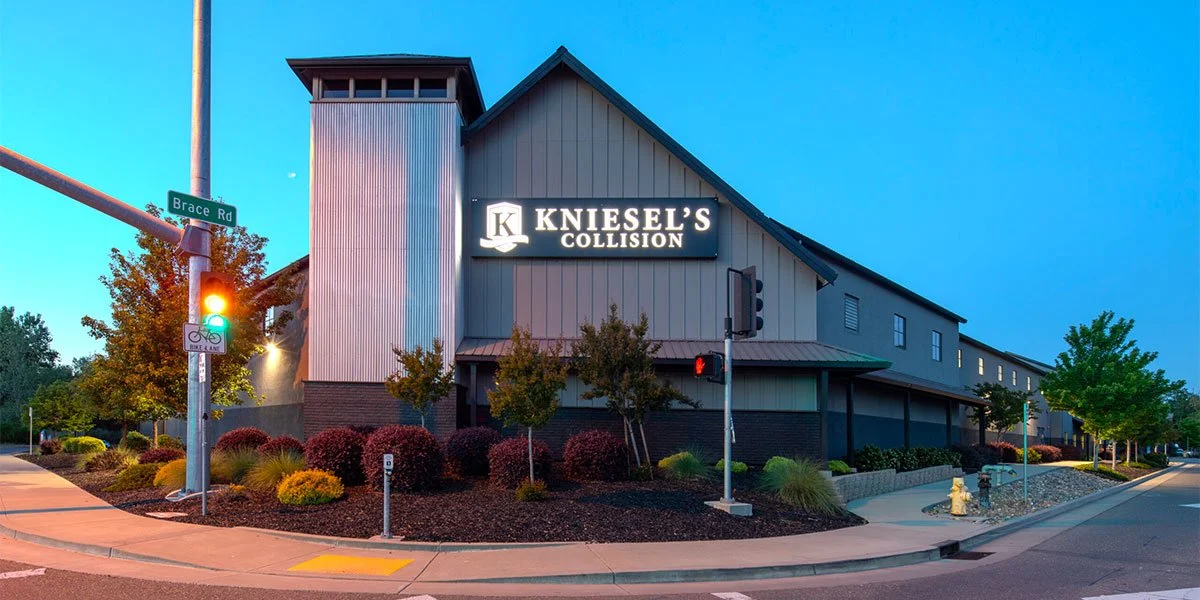
I led the acquisition, redevelopment, and repositioning of an existing lumber retail center in Loomis, California. The project involved converting an underutilized retail property into a fully operational automotive collision repair facility, while also creating complementary income through additional site uses.
My involvement spanned the full lifecycle of the project — from acquisition and ownership structure through entitlements, design, construction, and leasing.
The Challenge
The property was formerly operated as a successful lumber retail business. Following its acquisition by a national firm, the local operation was closed, leaving the property vacant and available for sale. The opportunity was therefore not driven by obsolescence, but by a change in ownership and business strategy. The proposed conversion to automotive collision repair introduced zoning and entitlement considerations, requiring approval through a Conditional Use Permit process with the Town of Loomis.
In addition, the project required careful coordination of acquisition terms, financing, partnership structure, and tenant requirements, all while managing cost, timing, and operational constraints within an existing building.Our story
Our journey has been anything but ordinary. Through every step, we've focused on staying true to our values and making space for thoughtful, lasting work.
What began as a passion project has evolved into something more. We’re proud of where we’ve been and even more excited for what’s ahead. What sets us apart isn’t just our process—it’s the intention behind it. We take time to understand, explore, and create with purpose at every turn.
My Approach
I approached the project as an integrated development and business transaction rather than a standalone real estate deal. My initial focus was on securing the property under favorable terms, negotiating directly with the seller and broker, and structuring an ownership partnership with appropriate legal, state, and federal considerations.
In parallel, I coordinated financing for the acquisition and developed a clear entitlement and execution strategy to support the change in use. Throughout the process, I maintained close alignment between entitlement requirements, tenant needs, and construction feasibility.
The Solution
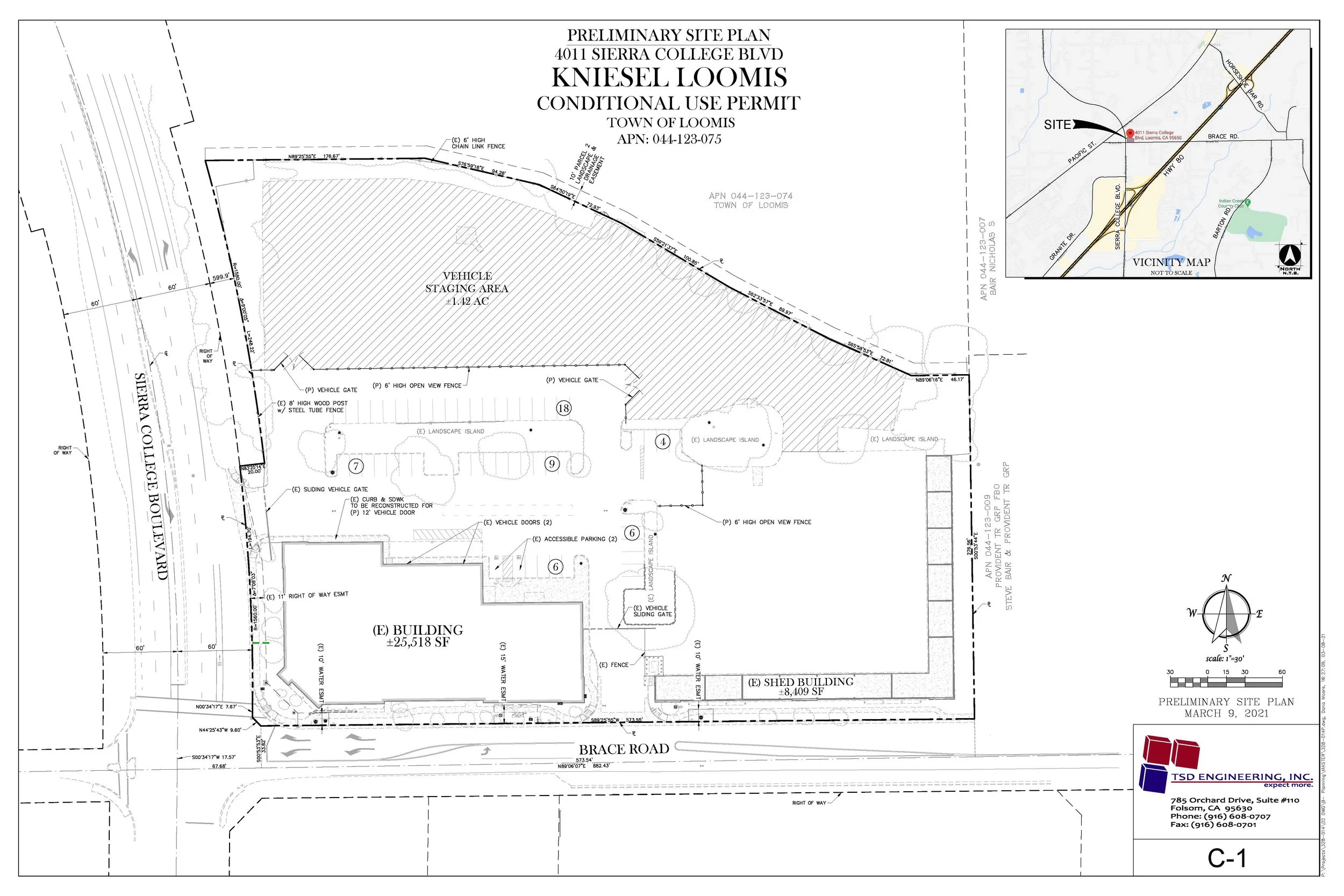
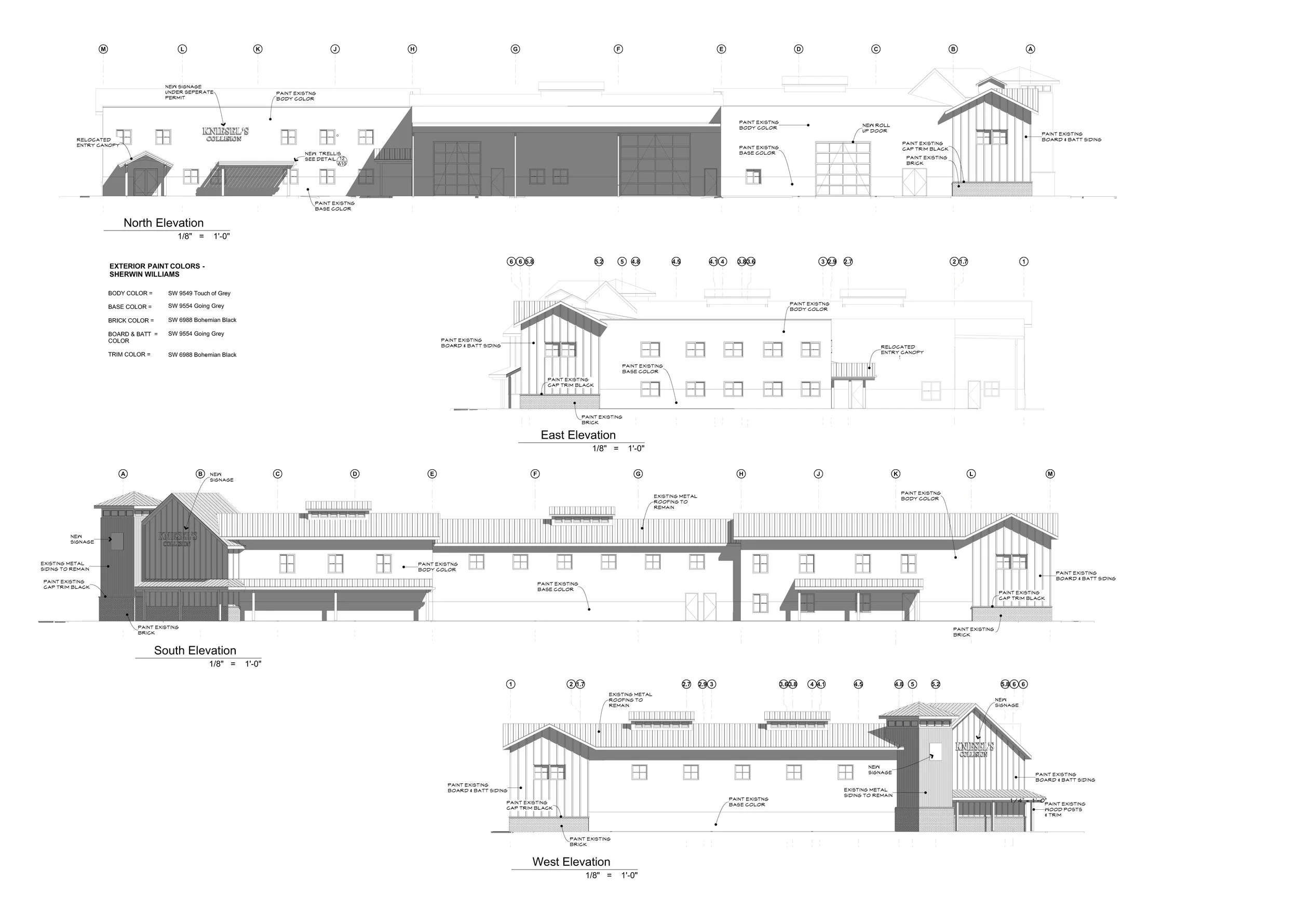
I processed a Conditional Use Permit with the Town of Loomis to allow the conversion from lumber retail to automotive collision repair. I coordinated architectural and structural design for the tenant improvements, addressing building code, operational, and functional requirements specific to the new use.
I oversaw construction of the tenant improvements and an overall refresh of the property as part of the conversion. Concurrently, I negotiated a lease with the collision repair tenant and worked with a nearby auto dealership to repurpose a portion of the former outdoor lumber storage area into off-site and overflow parking, creating additional value and utility for the site.
The Outcome
The project successfully transitioned an obsolete retail property into an active automotive collision repair facility supported by appropriate entitlements, modernized improvements, and stable tenancy. The combination of adaptive reuse, strategic leasing, and complementary site utilization repositioned the property for long-term viability.
Why This Matters
This project demonstrates the value of end-to-end development leadership — from acquisition and deal structuring through entitlements, construction, and leasing. By managing all aspects of the process, I help clients and partners unlock value in existing assets through thoughtful repositioning rather than ground-up development.
“Well-executed adaptive reuse aligns market demand, regulatory realities, and practical execution.”
—